
Scandinavian Timber, Built for Export

Product lines for commercial use, export markets and downstream fit
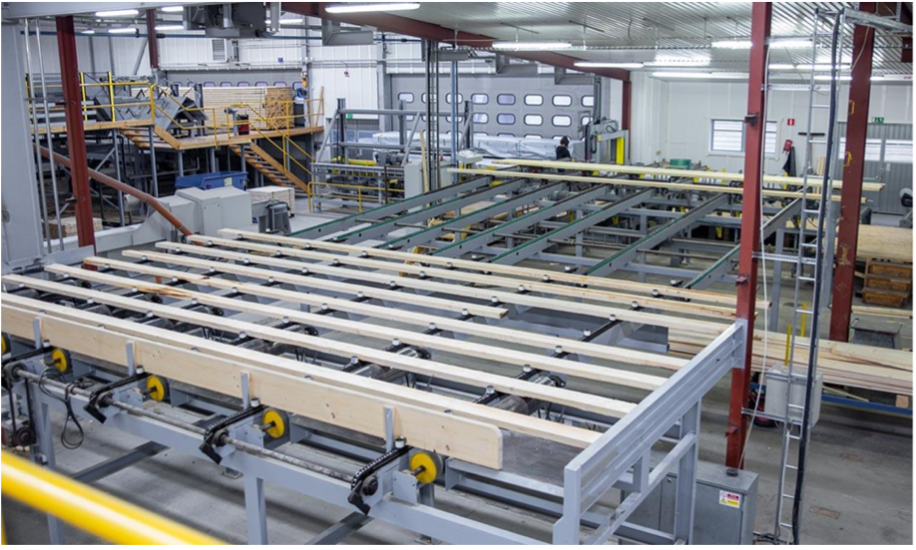
Norguang is built on the premise that timber creates greater commercial value when it is developed and brought to market as a structured product line rather than offered as undifferentiated mill output. The company does not simply present timber offers. It structures Nordic coniferous timber into an export-ready commercial, technical and documentary architecture designed for practical market entry, operational intake and more dependable downstream use.
This approach responds to a persistent weakness in conventional timber trade. In many supply situations, buyers are left to interpret fragmented offers, reconcile inconsistent product references and bridge the gap between factory terminology and destination-market requirements. What is often missing is not the material itself. It is a coherent system that turns production output into a market-usable and warehouse-relevant supply model.
Norguang is built to solve precisely this problem. The model combines material understanding, market interpretation and supply discipline within one export structure. Product identity, technical framing, specification logic, documentation flow and supply communication are brought into a coordinated commercial basis. This allows the buyer to receive not merely a product offer, but a more complete supply architecture designed to support cleaner market entry and more reliable downstream integration.
This has become more important as timber trade has moved into a more regulated and documentation-dependent environment. For that reason, Norguang does not position its role as the export of lumber alone. The company brings the product to market together with the documentation and compliance framework required for its proper market entry under the relevant regulatory route.
Within this structure, supply can be organized not only up to shipment, but in a form aligned with the buyer’s actual intake logic, including delivery planning toward warehouse-level receipt where required by the transaction model. The same structure also creates a more workable purchasing relationship over time. Once a product has been defined within the system, later batches can be adjusted through targeted changes in dimensions, geometry, moisture condition or other technical parameters without forcing the product-definition process to begin again from the start.
In that sense, Norguang offers not only timber, but a more advanced export model through which supply can be defined, configured, documented and delivered with greater commercial and operational control.

Core Elements
Nordic Coniferous Timber
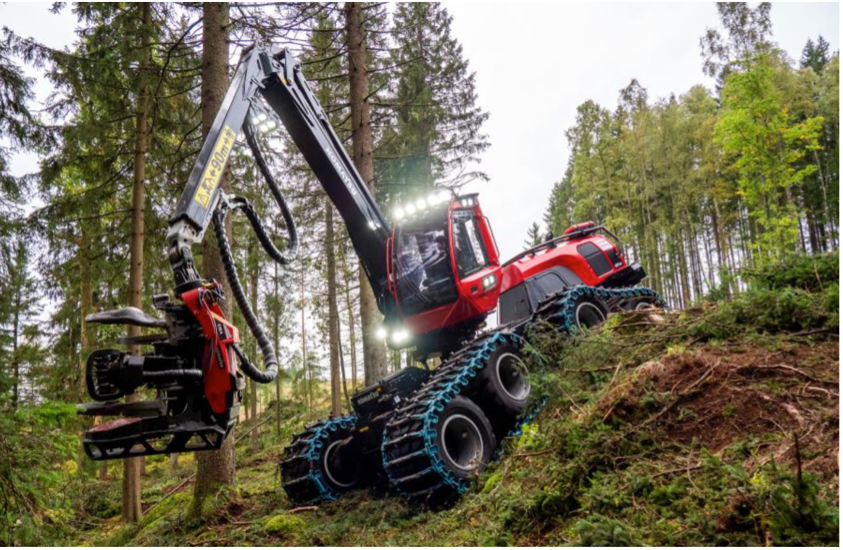
Norguang is built on a Nordic coniferous timber base with strong commercial relevance across export markets. In this model, timber is treated not simply as raw material, but as the starting point of structured product programs shaped around market use, technical framing and downstream application.
Product Coding
Product Coding provides the internal discipline through which each product is identified, defined and managed within the Norguang system. It creates a more stable basis for specification work, export communication and repeatable supply by replacing loose product references with controlled product logic.
Commercial Interface
Commercial Interface connects mill output with market requirements through a more coherent commercial and technical framework. It allows producers to remain focused on production discipline, while buyers receive clearer product definition, stronger documentation and a more workable basis for supply integration.


Why Scandinavian Timber
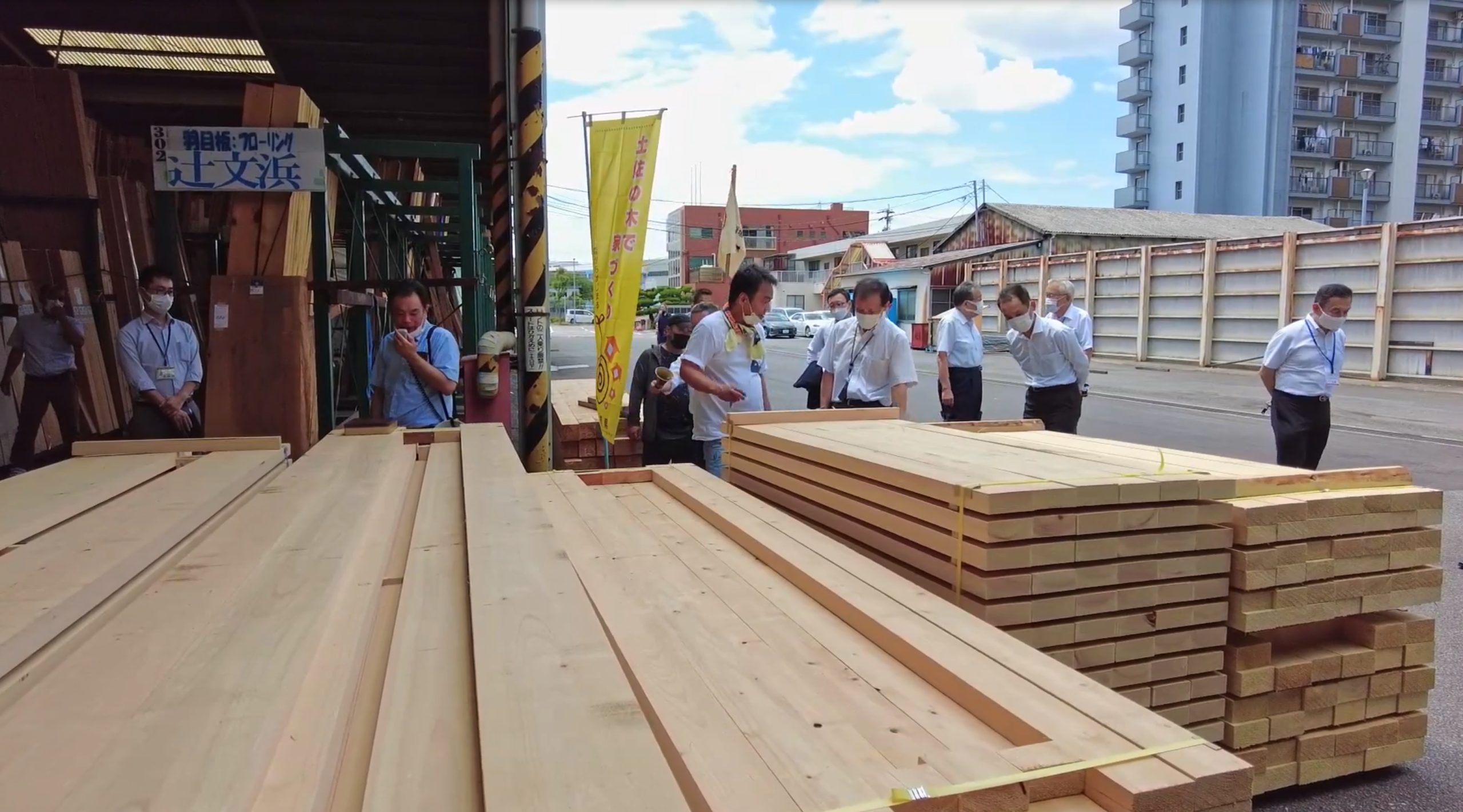
Scandinavian timber holds its commercial relevance not only because of supply availability, but because it comes from a northern coniferous base long associated with disciplined forestry, stable processing culture and broad downstream use across construction, joinery, industrial and other market-facing applications. In that sense, its value is not limited to the material as such. It also lies in the way the market reads origin, species profile, processing condition and practical usability together.
Within this broader timber base, Nordic coniferous timber includes well-known species lines that continue to carry commercial meaning across different product programs and market contexts. Among them are lines such as Karelian Pine, Hälsingland Spruce and Southern Scandinavian Larch. These lines belong to a wider coniferous framework, but each enters the market with its own material character and practical field of use.
Karelian Pine reflects a northern pine line associated with strength, density and more demanding structural or processing-oriented use. Hälsingland Spruce represents a disciplined spruce line aligned with the Scandinavian softwood tradition in construction and general timber supply. Southern Scandinavian Larch introduces a more durable larch-based line within the same broader coniferous framework.
For that reason, Scandinavian timber is not read by the market only as a generic category of lumber. It is also understood through more specific material identities, established use patterns and the commercial expectations attached to them. This gives the timber base a stronger role in product definition and a clearer place within export-oriented supply.

How Export Markets Read Scandinavian Timber
Export markets do not read Scandinavian timber only through species names or nominal dimensions. They read it through a wider commercial and technical frame that includes processing condition, quality profile, intended use and the way the product is prepared for entry into the destination market. In that sense, the same timber base may carry different commercial meaning depending on how it is defined, presented and supplied.
For some buyers, the decisive factor lies in structural reliability and the expected behavior of the material in load-relevant or processing-oriented use. For others, the product is read through appearance, machining suitability, moisture condition or dimensional discipline. In broader trading environments, it may be read through stock logic, resale practicality and the ease with which it can be integrated into regular supply.
This is why Scandinavian timber cannot be treated in export trade as a uniform category of lumber moving unchanged across all markets. Its commercial reading depends on the business environment into which it enters, the technical expectations attached to it and the downstream role it is expected to perform. The market does not simply ask what the timber is. It also asks how that timber will function once it arrives.
For that reason, successful export positioning depends not only on product availability, but on the ability to bring timber into the market in a form that corresponds to its intended commercial reading. This is where product identity, technical framing and supply logic become commercially decisive.

Where Scandinavian Timber Fits
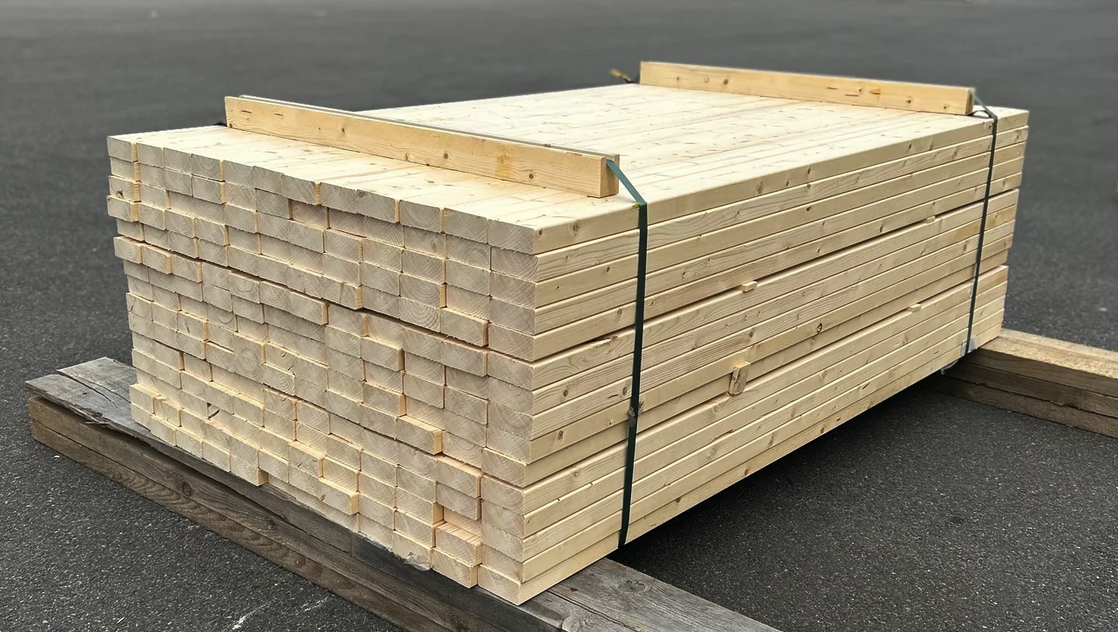
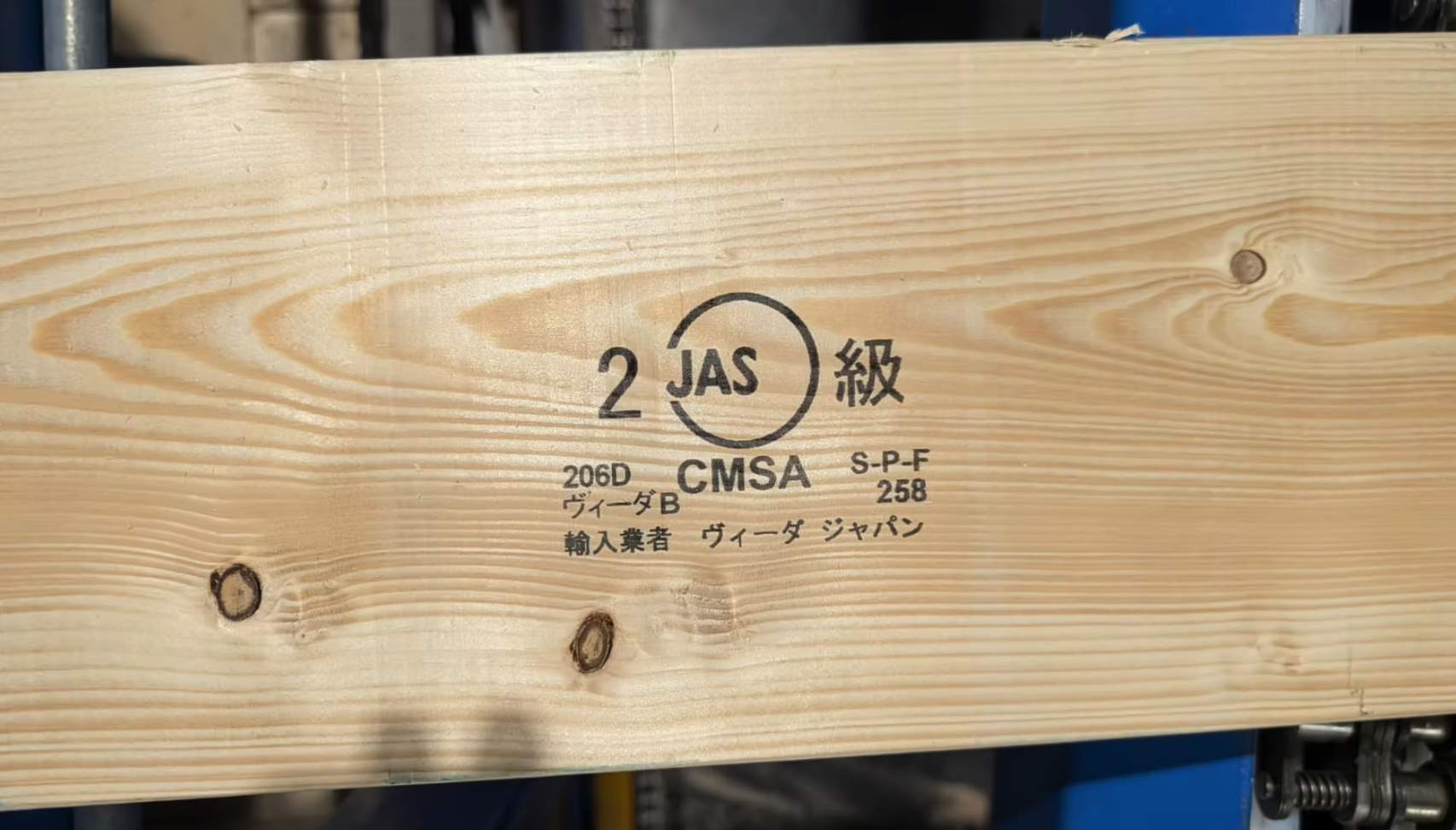
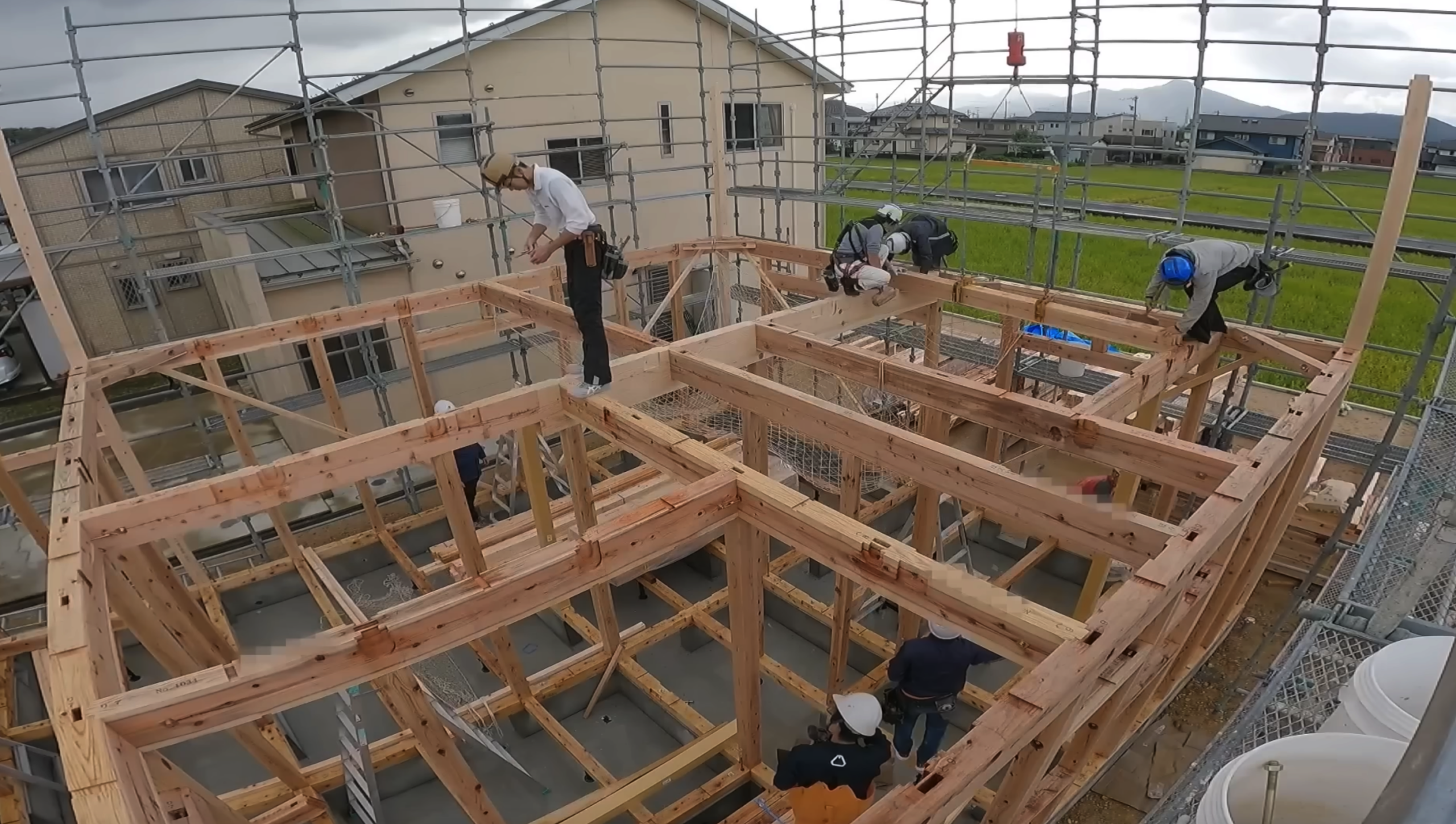
Scandinavian timber enters different markets through different commercial roles. In some cases, it is positioned for construction and framing environments where dimensional discipline and structural use are central. In others, it moves into joinery, processing or finishing contexts where the material is evaluated through machining suitability, moisture condition or appearance-sensitive performance.
It also fits broader industrial and utility-driven applications where the priority lies in supply regularity, handling practicality and repeat commercial use. In such environments, the market does not read timber primarily through prestige or technical complexity. It reads it through usefulness, stability and the ease with which the product can be moved into stock, production or operational consumption.
This range of fit is one of the reasons Scandinavian timber remains commercially important across export markets. Its role is not confined to one narrow use path. It can be brought into different downstream environments, provided the product line is defined in a form that corresponds to the way that environment buys, receives and uses the material.
For that reason, market fit is not treated as a secondary result of supply. It is part of the product logic itself. Scandinavian timber becomes more commercially effective when it is placed into the market through the use environment to which it is naturally suited.

Export Readiness as Market Readiness
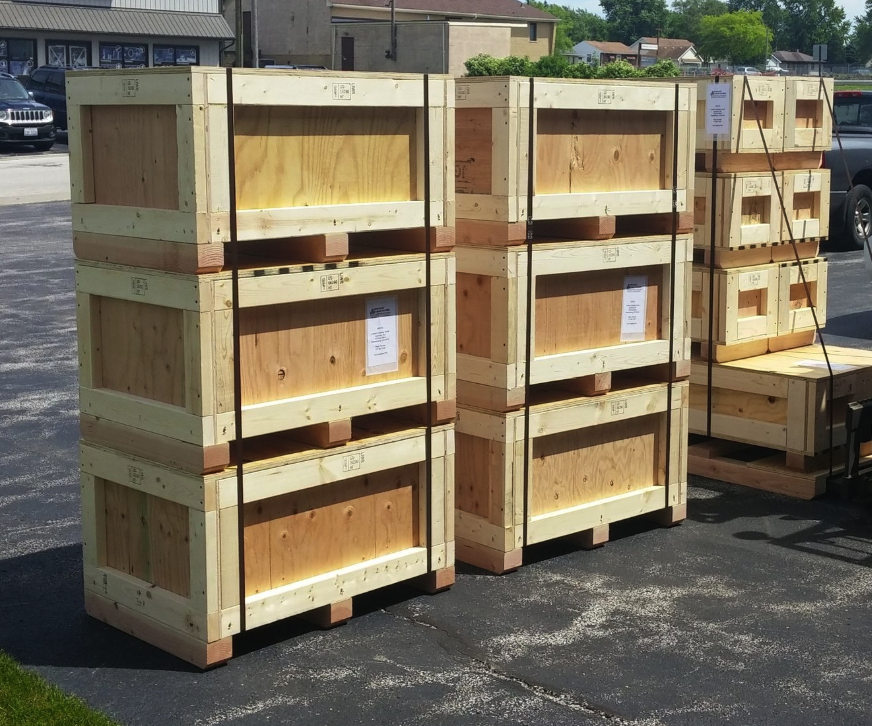
In timber trade, export readiness is not limited to the ability to move material across borders. It also depends on whether the product enters the market in a form that can be read, reviewed and received without unnecessary friction. This includes not only the product itself, but the technical framing, the documentation basis and the way the supply is prepared for practical intake on the destination side.
For that reason, market readiness begins before delivery. It is established through product definition, specification discipline and documentary coherence. Where these elements are weak, the product may still be shipped, but its market entry becomes less stable and more exposed to technical misunderstanding, documentation gaps and operational disruption.
This is why export readiness carries a wider commercial meaning. It is part of the product’s credibility in the market. It supports clearer interpretation, smoother intake and a more dependable basis for downstream use. In that sense, export readiness is not a logistical condition alone. It is part of how market value is secured.
When timber is brought into export markets with that level of preparation, it arrives not simply as material in transit, but as a product line already aligned with the practical and documentary conditions of market entry.

Why This Route Exists
A large and mature regional market does not remove the need for export structure. Timber does not create the same commercial value in every market simply by being available. Its value increases when it is matched to the right commercial pathway, the right technical reading and the right downstream use environment.
This is why the route matters. The question is not only where the timber comes from, but where it can be positioned with clearer market relevance and stronger practical use. In many cases, the most workable commercial outcome does not arise from proximity alone. It arises from alignment between the product line and the market into which it is introduced.
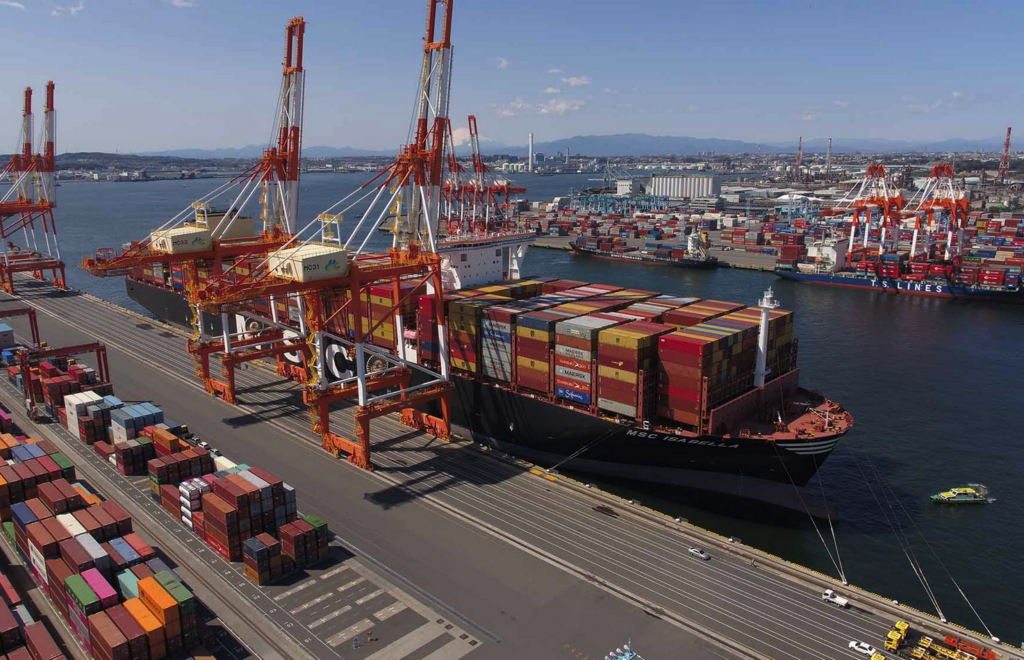
In that sense, export is not treated here as distance for its own sake. It is treated as a structured commercial route through which timber can enter the market in a form better suited to the buying logic, regulatory setting and operational reality of the destination side.
For that reason, the route exists not simply to move timber outward, but to place it where its material identity, technical framing and supply logic can carry greater commercial effect.


From Timber Supply to Market-Structured Product Lines
The market does not respond to timber in the same way when it is offered as generic supply and when it is presented as a defined product line. In undifferentiated form, timber may still move commercially, but it carries weaker product identity and a less stable basis for repeat use. It is harder to position clearly. It is harder to interpret consistently.
This is where structured product lines become commercially important. They allow timber to enter the market not only as available material, but as a more clearly defined offer shaped around application, technical logic and expected downstream use. The result is a supply proposition that is easier to read and easier to integrate into actual business activity.
In this model, product lines do not exist simply to classify material. They exist to give timber a more workable commercial form. They help connect the material base with the market environment in which it is expected to perform. They also create a more stable basis on which buyers can assess fit, compare options and build repeat supply.
For that reason, the movement from timber supply to market-structured product lines is not a matter of presentation alone. It is part of how commercial value is defined, carried and sustained across export markets.
A Model for Buyers and Producers
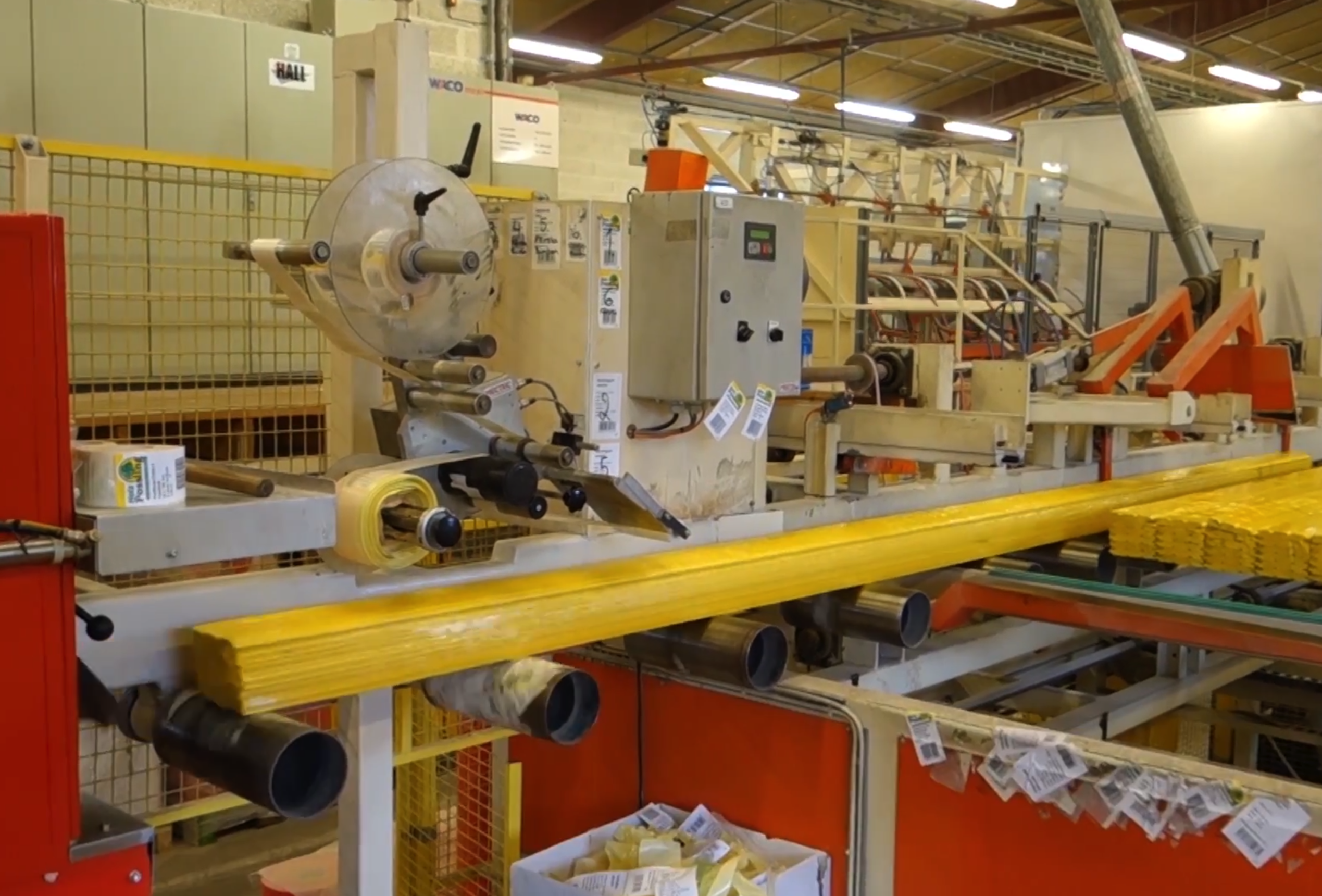
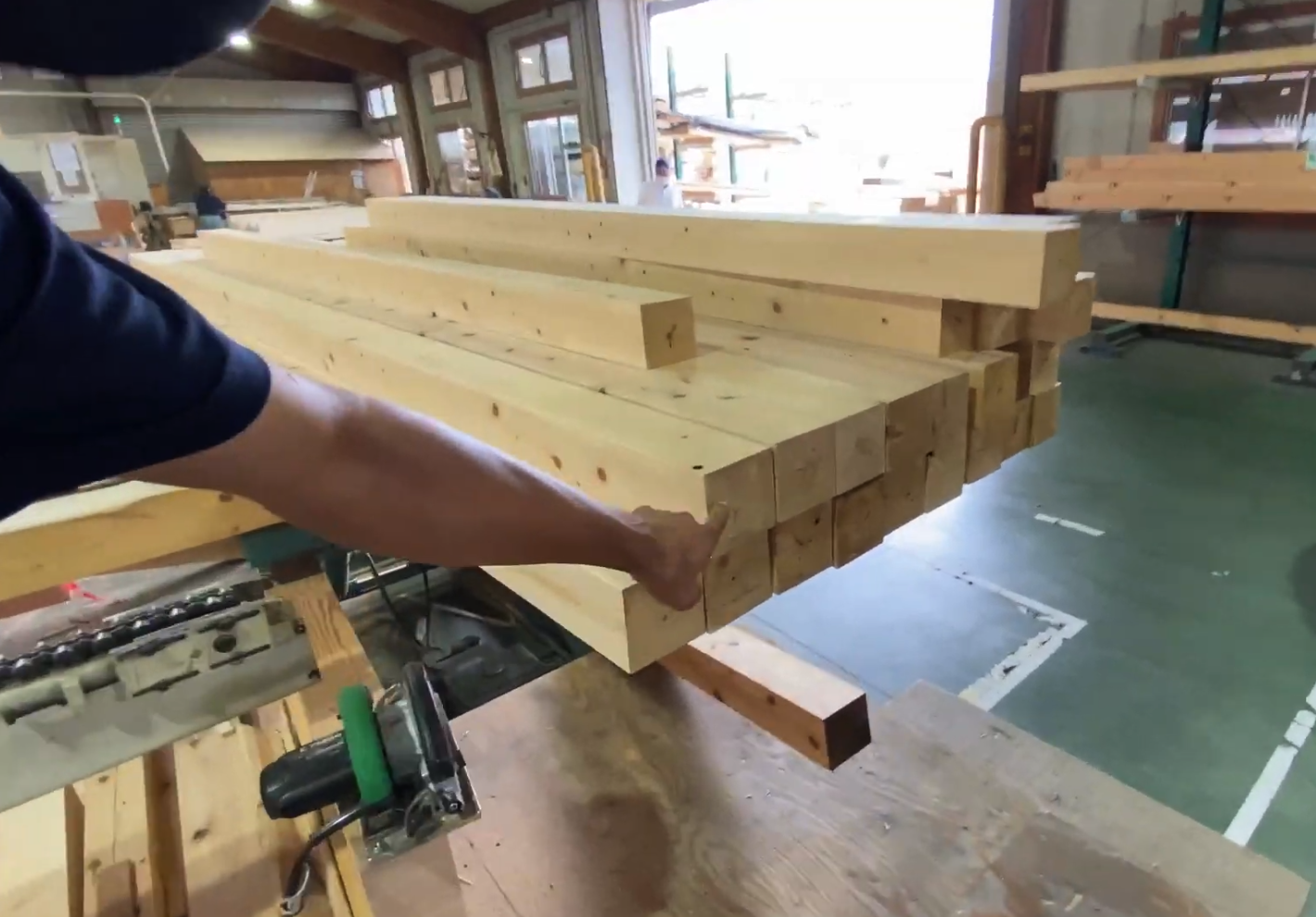
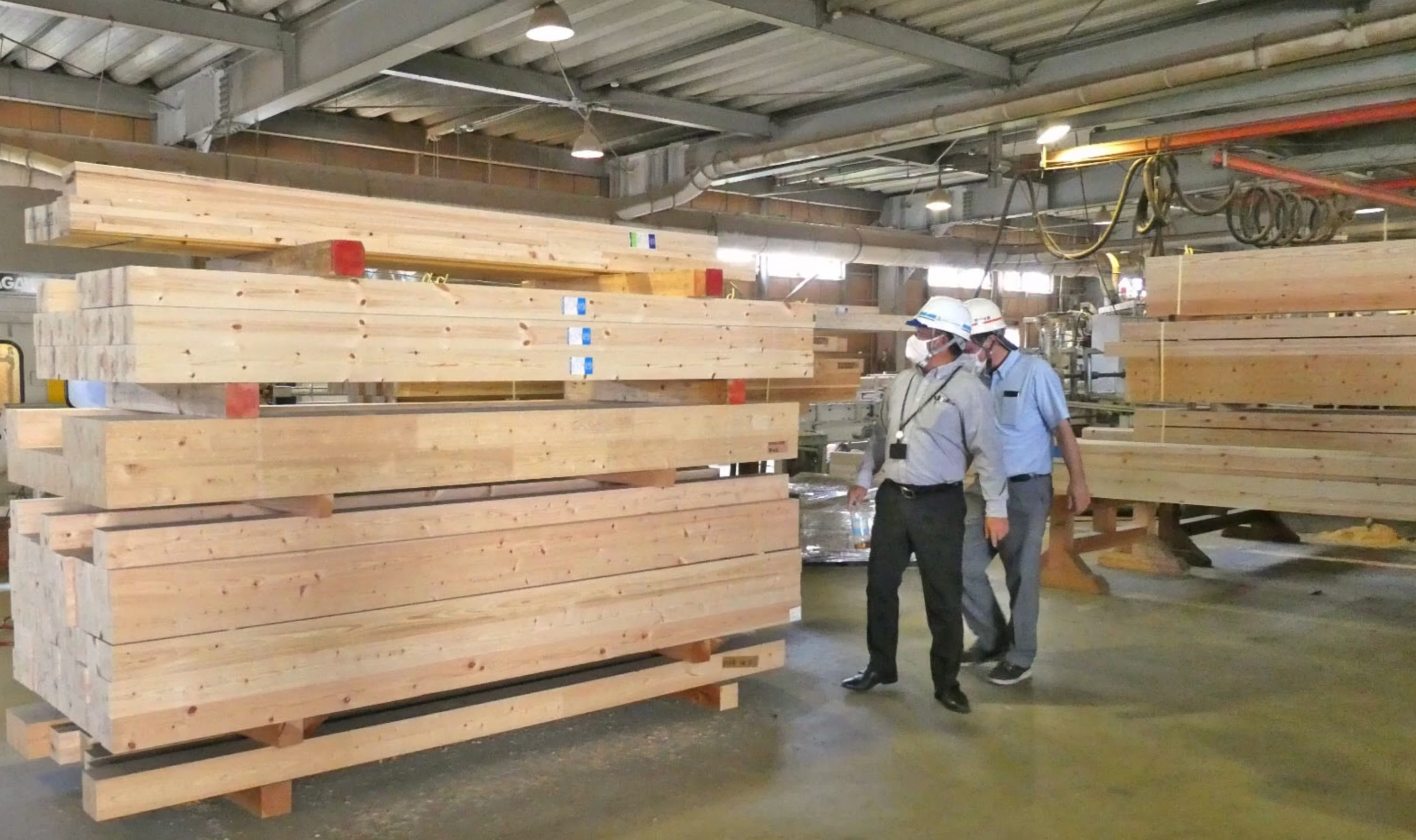
The model is built to work on both sides of the supply relationship. On the producer side, it creates a more structured route through which manufacturing capability can be brought into export markets without requiring the producer to build a full market-facing system internally. On the buyer side, it creates a clearer supply format through which timber can be reviewed, interpreted and integrated with greater practical confidence.
This two-sided structure is commercially important. Producers and buyers often do not face the same problem, but they are affected by the same gap between factory output and market use. Producers may have the material and the production discipline, yet lack the commercial architecture through which the product can be positioned and carried into the market. Buyers may have demand and downstream use, yet still face fragmented offers, uneven product references and weak supply framing.
The role of the model is to reduce that gap. It does so by giving the product a more coherent commercial and technical basis before it reaches the point where producer-side capability and buyer-side demand must meet. This creates a more workable environment for both sides. It allows production to remain disciplined and market entry to become clearer.
In that sense, the structure is not designed only to facilitate transactions. It is designed to support more reliable alignment between manufacturing capacity, product identity and actual market use.
Market Position
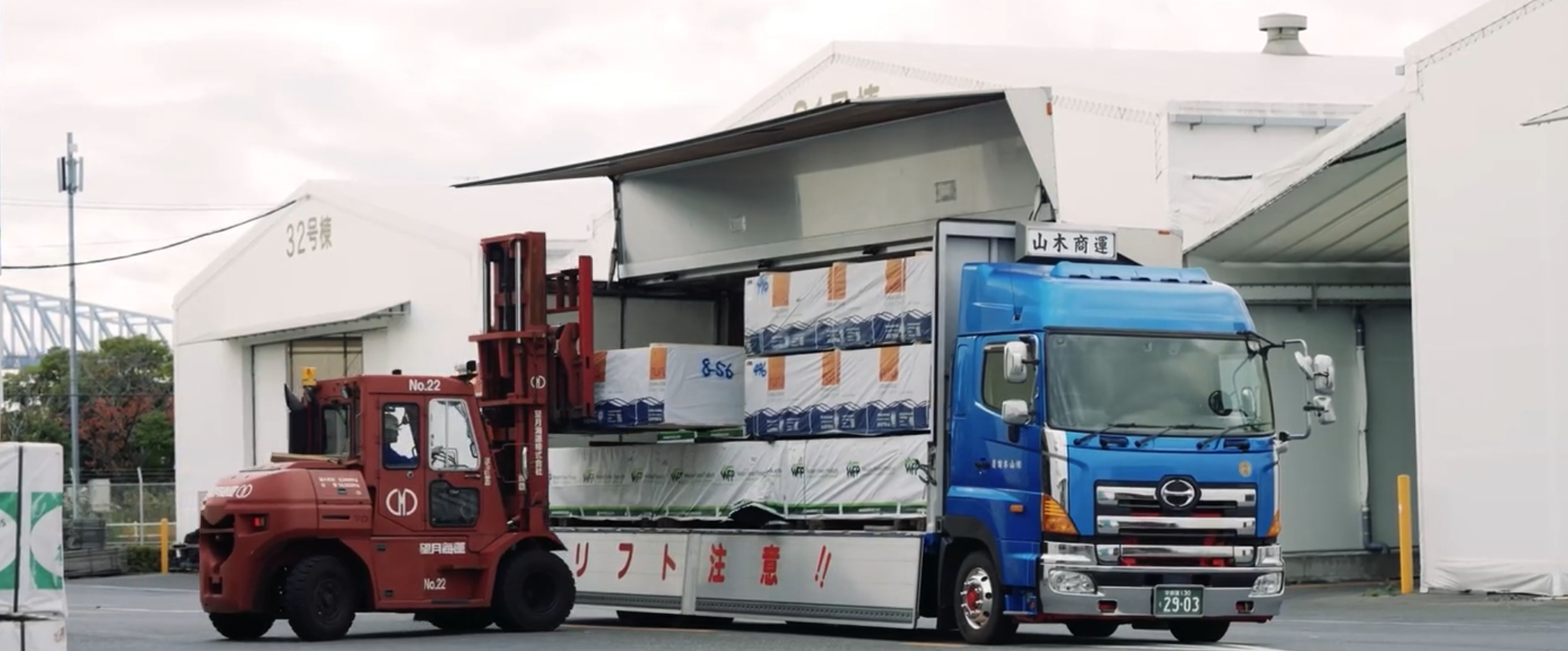
Norguang is positioned at the point where timber, market logic and export structure meet. The company does not approach timber as a commodity flow to be moved outward in generic form. It approaches it as a product line to be defined more clearly, positioned more precisely and introduced into the market on a more workable commercial basis.
This is what gives the model its distinct character. It stands between production and market use, yet it is limited to neither. It draws on the material base of Nordic coniferous timber. It also builds the commercial, technical and documentary structure through which that material can enter export markets with greater clarity and stronger practical relevance.
In that sense, Norguang operates beyond the conventional role of a timber exporter. The company develops a more structured route through which timber can be read by the market, aligned with downstream demand and carried into supply with greater commercial discipline.
The result is a model in which timber is not only sold and delivered. It is defined, framed and brought into the market as a more complete commercial proposition.
Commercial Discussion
Whether the starting point is a buyer-side requirement, a producer-side capability or a broader market opportunity, the objective remains the same: to determine whether a workable commercial fit can be built around the product, the market and the route through which it will be supplied.
Norguang welcomes dialogue with buyers, producers and counterparties who are looking for more than generic timber availability. The most relevant discussions usually begin with a product line, a market objective or a supply requirement that can be assessed within a clearer commercial structure.
Where that fit is present, the discussion can move toward a more defined supply model, a more structured product basis and a more practical route into the market.